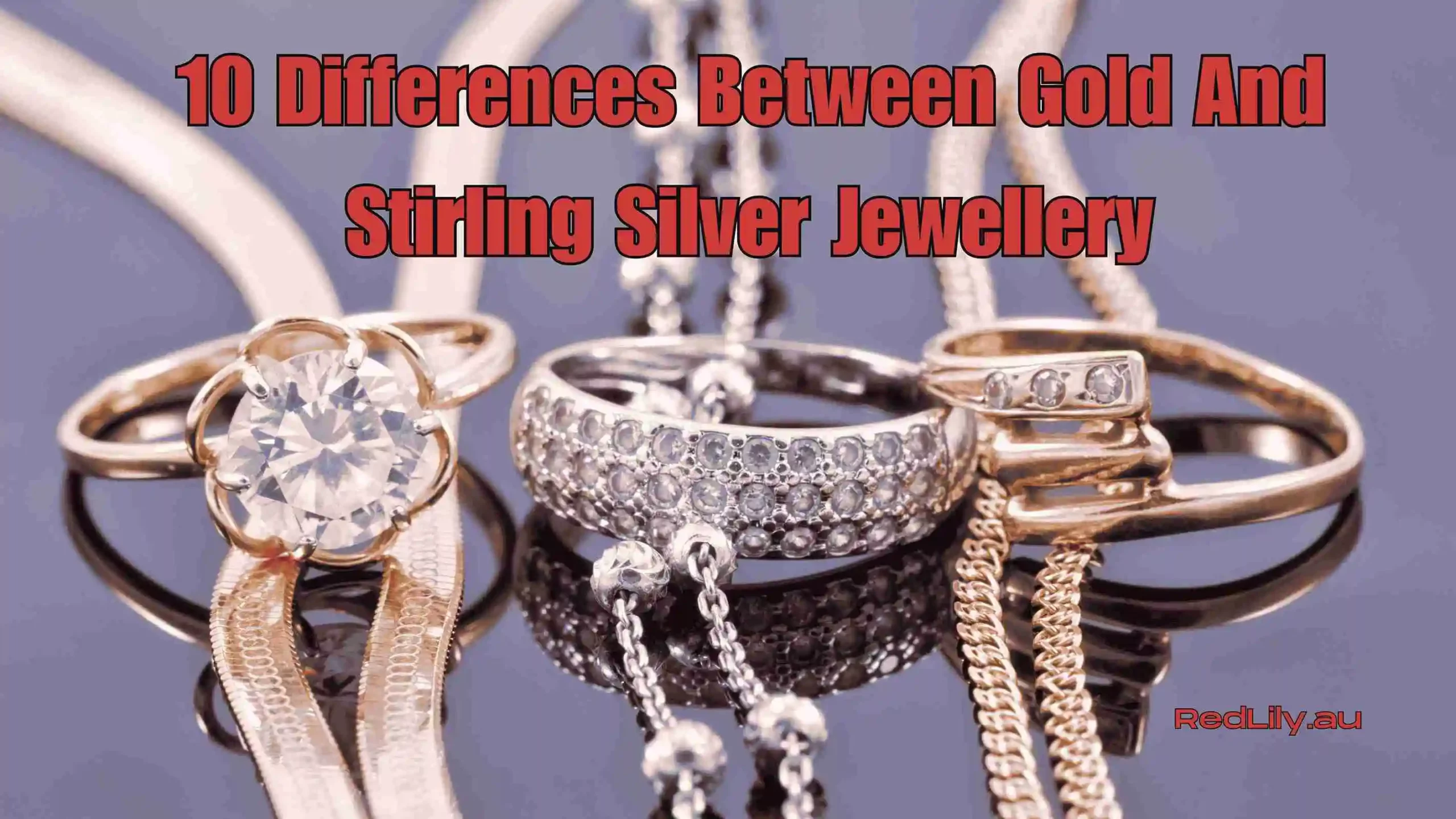
Precious metals have different compositions, structures, and other characteristics, so they are suitable for various jewellery pieces. Knowing this, you might wonder what are the differences between gold and stirling silver jewellery. Some ladies think that gold is the only option for them, but stirling silver can be more appealing.
The main difference between gold and stirling silver jewellery is value. Gold is expensive because it offers durability and resistance to tarnishing. While stirling silver adds class to attires and is more affordable, it may require some maintenance.
But there are more differences between gold and stirling silver jewellery. In fact, there’s a total of 10 such contrasts you should learn about. Read the article below, as I wrote it for everyone who needs this type of specific information on style.
10 Differences Between Gold And Stirling Silver Jewellery
Since gold probably interests you and stirling silver has a fascinating shine, let’s explore this subject further, as promised. In the following main section of the present article, I explain the differences between gold and stirling silver jewellery. Without any further ado, let’s see which these are:
1. Composition
I must mention this difference between jewellery and metals in every comparison article. Composition is what makes materials appealing, durable, resistant to tarnishing, and more. Gold and stirling silver jewellery have different compositions, so let’s read all about them.
Gold can be 10, 14, 18, or 24 karats (K). Jewellery made from this genuinely precious metal features pure material mixed with copper, silver, nickel, or zinc for strength. Since 24 K pure gold is too soft for everyday wear, you can opt for the 10, 14, and 18 variations.
Stirling silver also features other metals, typically copper. Combinations strengthen it, as pure silver is too soft for jewellery crafting. This option remains the most affordable and stylish alternative, but both metals are very popular.
2. Scratch Resistance
Because their properties are different, gold and stirling silver jewellery also have different scratch resistances. The hardness of gold jewellery varies, depending on its karat purity. The hardest and most commonly gold alloy is the 10K one.
Naturally softer and not that resistant to scratches, stirling silver bends easily. If you wear silver bracelets or rings every day, your activities can cause visible marks and dents on them. While you can polish silver, too much buffing can gradually wear down the metal.
For long-term scratch resistance, choose lower-karat gold because it’s a better option than stirling silver. If you do, you will wear your pieces for years and even gift them to your daughters or granddaughters. See what the Red Lily shop has on offer and add such a special item to your collection.
3. Prestige And Symbolism
Gold and stirling silver jewellery are very different when it comes to prestige and symbolism too. For millenia, gold has been the metal representing luxury, wealth, and power. Religious institutions, royalty and the elite have always used it as a symbol of success and status.
While still a precious metal, stirling silver is a more affordable option. People and especially ladies wear it in fashion and statement jewellery, but more for style rather than opulence. When you wear stirling silver pieces, you say something about elegance, versatility, and modernity.
Both gold and stirling silver hold symbolistic significance. Gold remains the ultimate precious metal if you want to express something about long-term value and prestige. On the other hand, stirling silver offers contemporary charm.
4. Versatility In Design
This is another characteristic that makes an important difference between gold and stirling silver jewellery. Gold is ductile and highly malleable, so you can mold and shape it into the most intricate, detailed designs. Jewellers use it to create complex patterns, delicate engravings, and gemstone settings.
Also malleable, stirling silver is softer in nature and doesn’t last that long in intricate, fine designs. This metal is best suited for fashion jewellery with bold shapes and other statement pieces. More detailed stirling silver designs require stronger craftsmanship to ensure longevity.
Gold jewellery pieces such as engagement rings, heirloom items, and fine necklaces are high-end pieces. This metal excels in sophisticated, long-lasting designs. Therefore, stirling silver remains the precious metal for more affordable and trendy jewellery.
5. Refinishing And Restoration
Gold and stirling silver behave quite differently as metals when it comes to refinishing and restoration too. It’s easy to refinish gold jewellery because this metal is more durable and resistant to tarnishing. You can polish scratches and damage from its surface easily, without affecting the overall integrity of the piece.
In contrast, you have to pay more attention to stirling silver jewellery. This metal is prone to tarnishing if exposed to air and moisture. You shouldn’t restore it too often by re-plating or re-finishing it because this can weaken its structure.
To conclude the present section, I must mention that gold is easier to maintain and restore. Stirling silver demands attention and more care if you want to preserve it for long time. It doesn’t matter what you choose from the Red Lily jewellery category, these pieces don’t require advanced maintenance.
6. Reaction To Skin
One of the most notable differences between gold and stirling silver jewellery is reaction to skin. People with sensitive complexion should wear higher-karat gold because it’s hypoallergenic. Pure gold is non-reactive, so perfect for avoiding any rashes or irritations.
The copper content in stirling silver can cause skin reactions is some people. When this less precious metal interacts with sweat or moisture, it can cause green discoloration or rashes. While you can still wear stirling silver jewellery without any problem, it’s quite likely it will cause irritations sometimes.
A girl with sensitive skin who wears a Red Lily outfit for a special occasion could put on gold jewellery. This option is better and helps avoid health problems. Lastly, it would be a very good idea to not buy stirling silver jewellery for your daughter if she’s a baby.
7. Investment Value
Investment value is yet another way in which gold and silver jewellery differ significantly. Being considered a high-value asset, gold is a reliable investment over time. You should buy jewellery made from this metal because it’s rare, has historical significance, and the market demands it consistently.
Sterling silver doesn’t hold the same financial potential but has value as a precious metal. Its prices are more volatile and lower compared to gold, depreciating over time. In other words, sterling silver jewellery is better suited for everyday and fashion wear.
I must close this section by saying that gold is a more reliable investment option than stirling silver. If you want jewellery that you can confidently wear only to sell it later, opt for this metal. You will be able to market your stirling silver jewellery pieces too at some point, but good luck finding buyers.
8. Resistance To Chemicals
Next, another important distinction between gold and stirling silver jewellery is resistance to chemicals. As it’s inert in nature, gold jewellery is highly resistant to most chemicals. It doesn’t react with air, and neither with moisture and other common chemicals like lotions, chlorine, or perfume.
Stirling silver is not the best for everyday wear because it’s not that resistant to chemicals. If you expose it to sweat, lotions, and perfumes, it can tarnish. Besides, chlorine and other harsh chemicals damage it seriously.
Gold is not that vulnerable to discolouration and oxidation, but stirling silver is. Since it’s far more resistant to any type of chemical damage, gold jewellery should be your number one choice. Study the Red Lily jewellery offer if you must prepare for a special event or even for a day out.
9. Oxidation Reaction
What plays a major role in the longevity and maintenance of gold and stirling jewellery is oxidation reaction. Because their craft metal is non-reactive, gold pieces are highly resistant to oxidation. To put it more simply, they don’t corrode, rust, or tarnish of exposed to air, moisture, and other environmental factors.
More prone to oxidation and tarnishing, stirling silver reacts with the sulfur in the air. In fact, it’s not the silver that reacts to this compound, but the copper in the alloy. For this reason, you should regularly polish your stirling silver jewellery and care for it.
While gold is oxidation-free, stirling silver requires upkeep to prevent tarnishing. This process occurs more quickly in humid areas. Gold jewellery doesn’t have to be stored in a special place because it can’t develop a dull or blackened surface.
10. Weight And Density
The last and often-overlooked difference between gold and stirling silver jewellery is weight and density. A much denser metal, gold makes jewellery that feels significantly heavier. Its density when pure is 19.3 g/cm.
The density of stirling silver is only 10.5 g/cm³. For this reason, jewellery from the trendy Red Lily shop and made from this metal is lighter and more comfortable. If you like wearing statement pieces such as chunky bracelets or oversized earrings and necklaces, opt for those made with stirling silver.
Allow me to mention that gold jewellery offers a weighty and luxurious feel, so it’s suitable for classier attires. Stirling silver is a lighter alternative that feels more comfortable. Choose the latter for every day wear and when you must do something physically demanding.
Pros And Cons Of Differences Between Gold And Stirling Silver Jewellery
As you can see, there is a total of 10 differences between gold and silver jewellery. But do you want to know which are the pros and cons of these differences? If you do, study the concise table here:
| Pros | Cons |
| Versatile and Stylish | Gold Feels Heavier |
| Valuable Investments | Stirling Silver Isn’t That Durable |
| Elegant Choices | Both Are Quite Expensive |
Conclusion
Catering to various purposes, preferences, and budgets, gold and stirling silver jewellery are still different. For instance, gold is more durable and valuable, whereas silver is lightweight and affordable. I hope you learned from the article above which are all the 10 differences between gold and stirling silver jewellery.
0 Comments